Short answer
Prioritize medical care and safety, then preserve the motorcycle, helmet, clothing, photographs, location details, witness contacts, and any available video. If a repair, transfer or disposal is proposed, note the timing and seek qualified advice about the decision.
Show the view from both directions
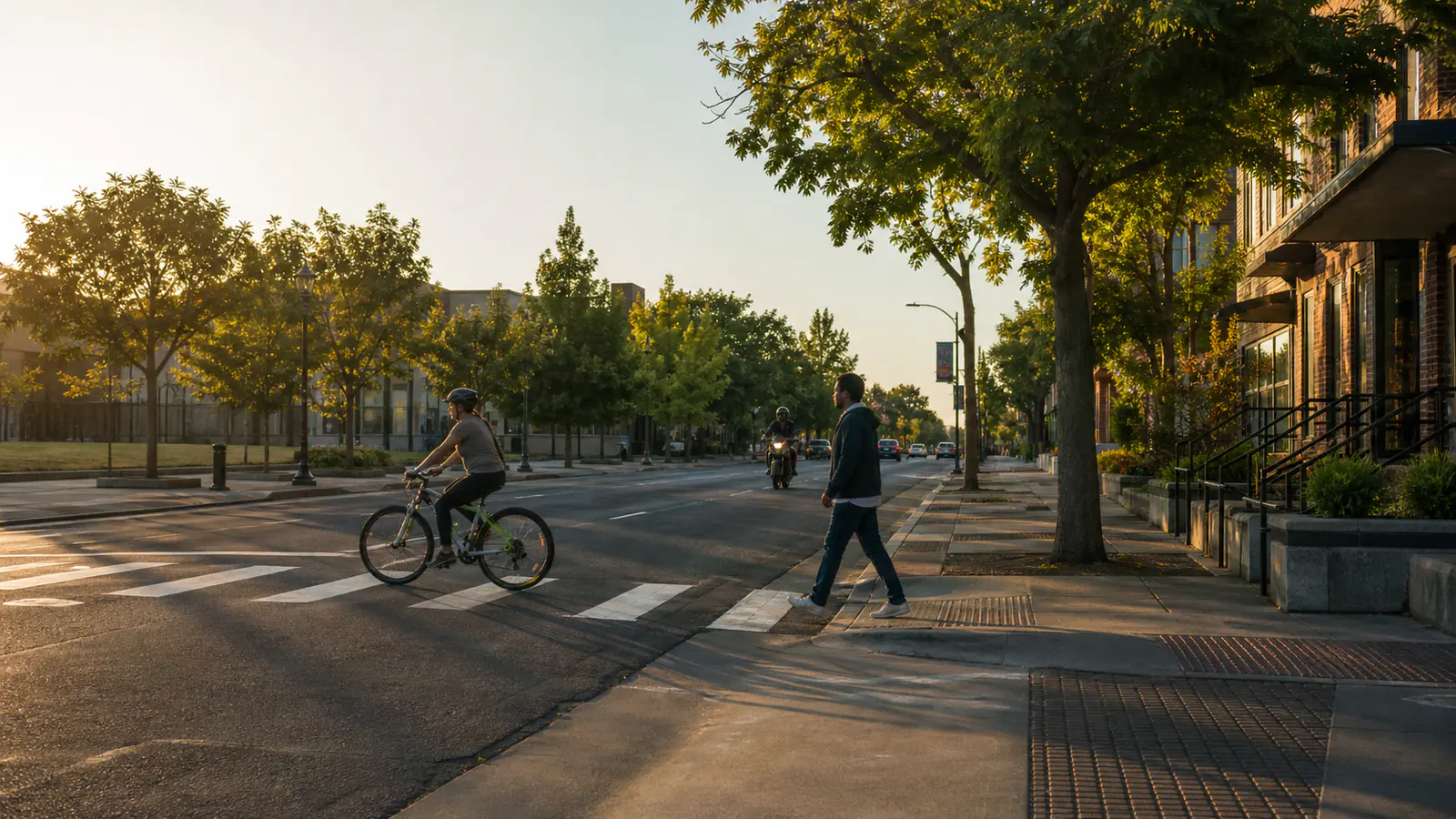
Visibility is more than whether it was day or night. Note the direction of travel, lane, intersection controls, lighting, weather, signs, parked vehicles, vegetation, road grade, and anything that may have blocked a view. Photographs from each travel direction can help explain what words alone cannot.
Return to the area only when it is safe and lawful. Do not stand in traffic or recreate a dangerous position. If conditions have changed, label later photographs so they are not mistaken for crash-day images.
Help after an injury
Ask Jason Hicks about your next step.
When you are hurt, bills and insurance questions can be difficult to deal with on top of everything else. Ask for a conversation about the concern that brought you here.
Jason Hicks is an Oklahoma attorney, practicing since 2008.
Jason Hicks personally reads every message sent through 405. If more information is needed, Jason Hicks follows up himself.
Do not let repairs erase what the motorcycle can show
Damage patterns, repair estimates, electronic information, helmet condition, clothing, and personal items may become part of the factual record. When safe and practical, take or keep photographs of the current condition. Do not delay necessary movement or towing to get photographs. Keep towing and storage information so the motorcycle can be located.
Do not treat damage as a do-it-yourself accident reconstruction. Keep notes about who has the motorcycle or gear and when it is moved or changed. A lawyer can help decide whether an inspection or qualified specialist may be appropriate.
- All sides of the motorcycle and detached parts
- Helmet, jacket, gloves, boots and reflective gear
- Tire, brake, light and control condition
- Towing, storage and repair records
- Any camera, GPS or communication device
Build a short timeline from the records you have
Start with the travel directions and what you personally remember before contact. Put those notes beside the scene photographs, witness messages and report details already available. For each item, note its date, who supplied it and whether it records the event or a later observation. An estimated time or a missing stretch of memory can stay marked as unknown.
Then note where the motorcycle and gear went, who has them and any towing, inspection, repair, transfer or disposal date already proposed. Keep original photographs and messages, and label later condition photographs by when they were taken. Describe what a record shows; leave explanations of how the collision or an injury occurred for qualified review.
Keep treatment dates, work changes and transportation costs in their own dated record. You can start with the items you have rather than waiting for a complete file. List missing items without guessing at them or assigning a claim value.
If the rider cannot gather records, a family member can start with items already available to them and ask the rider what help is wanted when possible. Keep the helper's observations separate from the rider's account. Do not assume you may access another person's medical file, account or device; ask the holder what authorization is needed and keep the reply.
Record the parts of recovery that do not appear on a repair estimate
Motorcycle injuries can affect work, transportation, sleep, mobility, and ordinary activities. Follow medical instructions and keep appointments when you can. Save provider records, bills, work notes, receipts, and a brief factual log of significant changes.
A public post can be read without the context in your records. Keep detailed recovery notes and sensitive medical information in private records instead. Preserve original dates and wording; do not exaggerate an activity or fill a gap from memory with a guess.
Make the evidence answer the stereotype
Questions about speed, lane position, signals, and visibility deserve evidence rather than assumptions about riders or drivers. The scene, vehicles, traffic controls, witnesses, video, medical record, and each person's account should be tested against one another.
If an unsupported assumption keeps recurring or a repair or release decision is approaching, use the form's broad choices and safe contact fields to request a conversation. Keep the crash account, motorcycle location, proposed changes and disputed details for that conversation if one is arranged; do not put them in contact fields.
What to gather
- Scene, approach and roadway photographs
- Motorcycle, helmet and clothing condition
- Towing, storage and repair records
- Witness, video and device information
- Medical, work and transportation records
Questions that may change the answer
- What could each driver or rider see from the direction of travel?
- Where is the motorcycle, and has its condition been documented?
- Are there cameras, witnesses or electronic records?
- Which injuries and daily limitations are documented rather than assumed?
Common questions
Should I let the motorcycle be repaired?
Record where the motorcycle is, who is holding it, what repair, release or transfer is proposed, and any stated date. Keep current-condition photographs, the estimate and the request or messages. If a change is already scheduled, raise that timing promptly when seeking qualified advice. This page cannot decide whether you should authorize the work or release.
What if the driver says they did not see me?
That statement makes visibility evidence important. Preserve approach photographs, lighting, traffic controls, vehicle lights, witnesses, video, and the exact location of impact.
Does wearing or not wearing a helmet decide the whole case?
Begin with the crash sequence, photographs and each person's actual account. Keep any helmet or equipment information in a separate record: the item, who has it, its observed condition and when that condition was recorded. Describe what the record shows without treating it as a conclusion about responsibility or an injury. If someone relies on helmet use or condition, keep the exact statement and ask what record supports it; any legal or medical significance needs qualified, fact-specific review.
Why you can check the answer
See the law and official information behind this page.
These references support the general law, official process, or practical advice described here. They cannot decide how a rule, policy, document, or deadline applies to your particular facts.
By Jason Hicks
- 405 editorial method
405 Injury Law neutral record-organization methodology (internal; not legal authority)
405’s internal method for organizing records, separating observations from inferences, and identifying the next question. It is not legal, medical, or insurance authority.
- Oklahoma law
Oklahoma Statutes Title 47, crash exchange, notice, and reporting provisions (official external source)
The Oklahoma statutes used to distinguish at-scene exchange, immediate law-enforcement notice, and a separate driver-reporting process from a later request for an agency report. The summary is not a complete statement of duties or exceptions.
Pinpoint: Sections 10-104, 10-107, and 10-108
See how 405 checks important legal and official information.