Short answer
Start with the same safety and medical priorities as any crash, then preserve the trip receipt, driver profile, messages, screenshots, and every insurance communication. Do not assume the app or a single insurer has already identified every potentially relevant policy.
The app may know where the trip stood—even when no one explains it
A driver may be offline, available for a request, traveling to pick someone up, or carrying a passenger. Those facts can affect which records and insurance questions deserve attention. The label shown in an app is useful, but it should be compared with timestamps, the trip receipt, messages, and the driver's account.
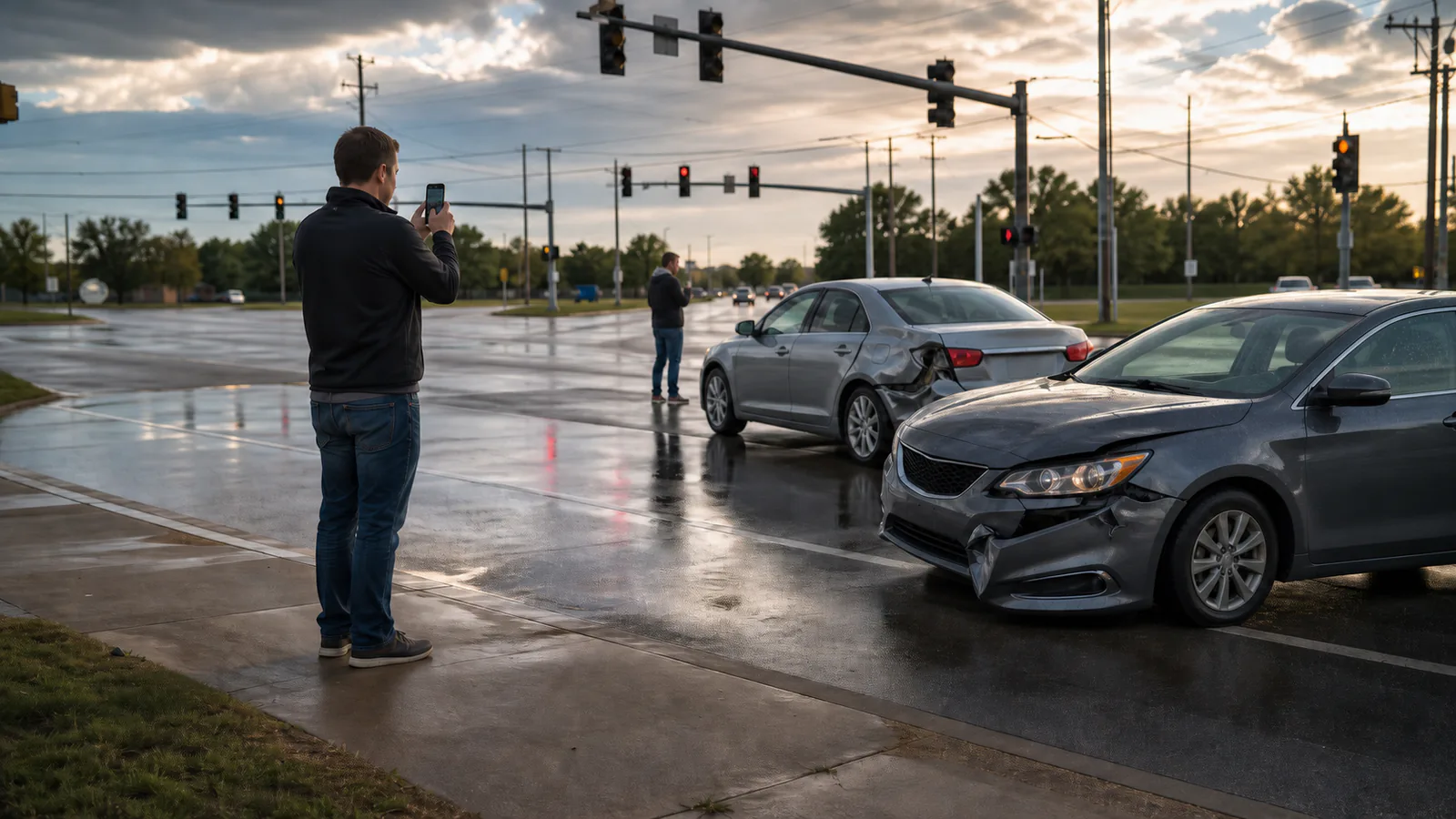
Write down what you remember while it is fresh. If you were a passenger, save the exact pickup and destination information. If another vehicle was involved, keep that driver's insurance details too. A clear timeline is more useful than guessing which company should pay.
Help after an injury
Ask Jason Hicks about your next step.
When you are hurt, bills and insurance questions can be difficult to deal with on top of everything else. Ask for a conversation about the concern that brought you here.
Jason Hicks is an Oklahoma attorney, practicing since 2008.
Jason Hicks personally reads every message sent through 405. If more information is needed, Jason Hicks follows up himself.
Bring the scattered pieces back into one story
The platform, driver, passenger, police, medical providers, repair shop, and insurers may each hold a different part of what happened. Keep one simple folder with the crash-report information, photographs, trip materials, contact names, claim numbers, estimates, bills, and a log of calls or messages.
If a platform asks for a statement or broad authorization, pause long enough to understand what is being requested and why. You can acknowledge a request without guessing, minimizing symptoms, or signing something you do not understand.
- Trip receipt, route, pickup and drop-off details
- Driver profile and vehicle information
- App messages, support tickets and screenshots
- Police or incident-report information
- Insurance claim numbers and adjuster contact details
Passenger, driver, or person in another vehicle
As a passenger, use your trip receipt and pickup or drop-off details to check whether an insurer's description refers to the trip you took.
As a driver, keep any dated app-status display or trip messages in your own account, and separate what they show from what you remember.
If you were in another vehicle, you may have no app record; use your own vehicle and report details and ask which record supports the trip stage being described.
If app history is missing or inaccessible, keep the messages or trip details already available and note the gap. Ask the platform or claim contact whether the relevant dated trip record can be provided, and keep the actual reply. Leave an unconfirmed trip stage unknown rather than guessing from the first claim number.
When the first claim number does not answer the real question
It may be time to ask a lawyer when no one will say which policy applies, two insurers point at each other, the app history does not match what you remember, or medical and transportation problems are growing while the coverage question stays unresolved. The first conversation should identify what is known, what is missing, and what may need prompt attention—not promise an outcome.
In the form, choose the broad topic, approximate timing and question closest to yours, and provide safe contact details. Keep your trip role, crash account and insurance messages for a later conversation if one is arranged; do not put those details in contact fields.
What to gather
- Trip receipt and app timeline
- Driver and vehicle profile screenshots
- Crash-report information and scene photographs
- Platform support messages and claim references
- Repair, rental, towing and medical billing records
Questions that may change the answer
- Was the driver offline, waiting, en route, or carrying a passenger?
- Which vehicles and insurers have been identified?
- Does the platform show a complete and accurate trip history?
- Are there video, witness, phone, or app records that may need attention?
Common questions
Should I report the crash in the rideshare app?
The app may be one reporting channel, but save screenshots and a copy of anything you submit. Keep the description factual and do not guess about fault, injuries, or trip status.
What if I was only a passenger?
Passengers should still preserve trip and contact records, document symptoms and expenses, and collect information for every vehicle and insurer they can identify.
Can one insurance claim resolve everything?
Sometimes one policy becomes the main path, but the answer depends on the vehicles, drivers, trip stage, coverage, and facts. Do not assume a first claim number identifies every relevant source.
Why you can check the answer
See the law and official information behind this page.
These references support the general law, official process, or practical advice described here. They cannot decide how a rule, policy, document, or deadline applies to your particular facts.
By Jason Hicks
- 405 editorial method
405 Injury Law neutral record-organization methodology (internal; not legal authority)
405’s internal method for organizing records, separating observations from inferences, and identifying the next question. It is not legal, medical, or insurance authority.
- Oklahoma law
Oklahoma Statutes Title 47, Sections 1011 and 1024 through 1027 (official external source)
Oklahoma transportation-network-company provisions used to distinguish app and trip status, required records, and insurance questions in rideshare crashes.
Pinpoint: Title 47, Sections 1011 and 1024 through 1027; Oklahoma Statutes PDF pages 1019 and 1024 through 1027
See how 405 checks important legal and official information.